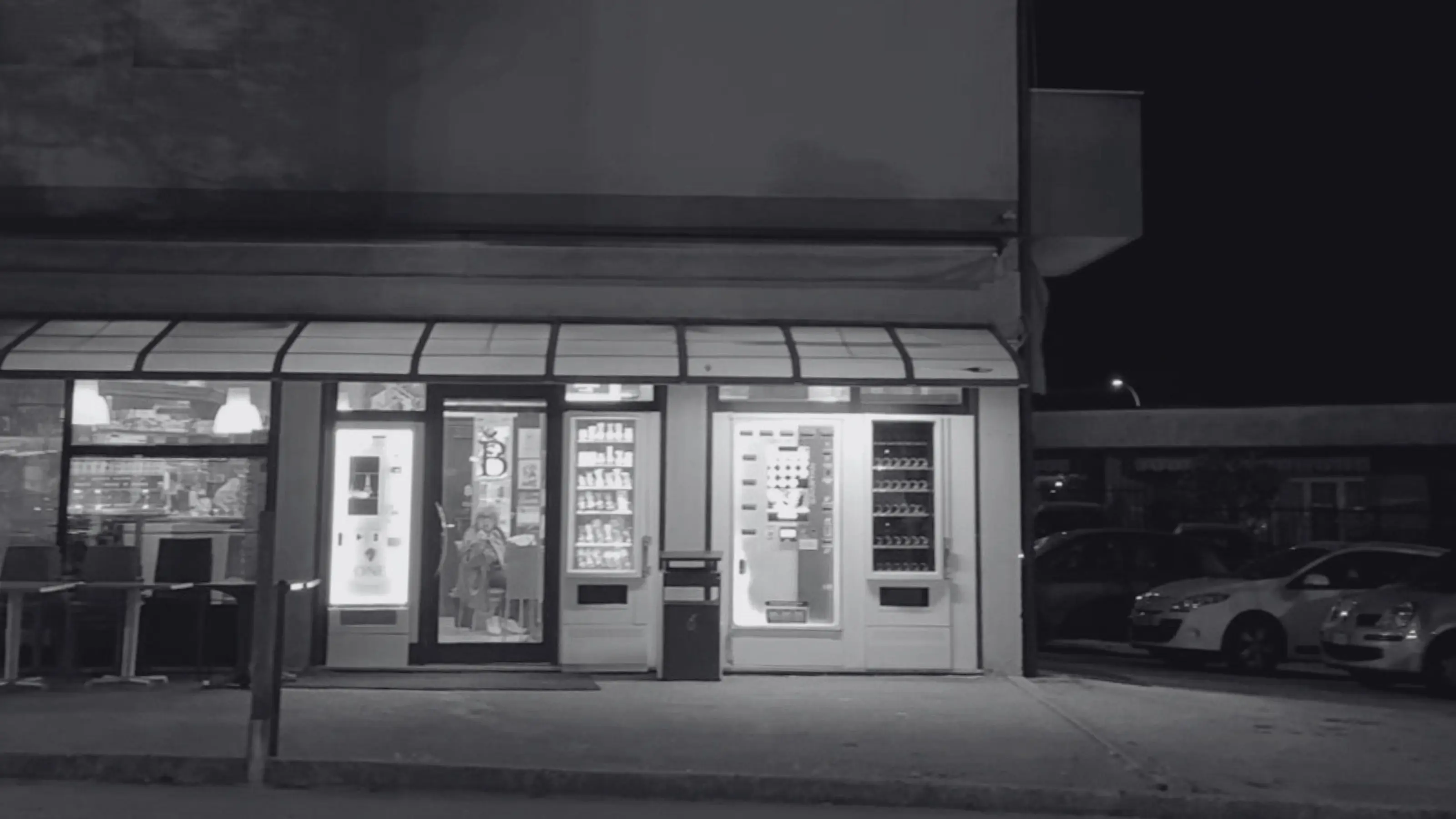
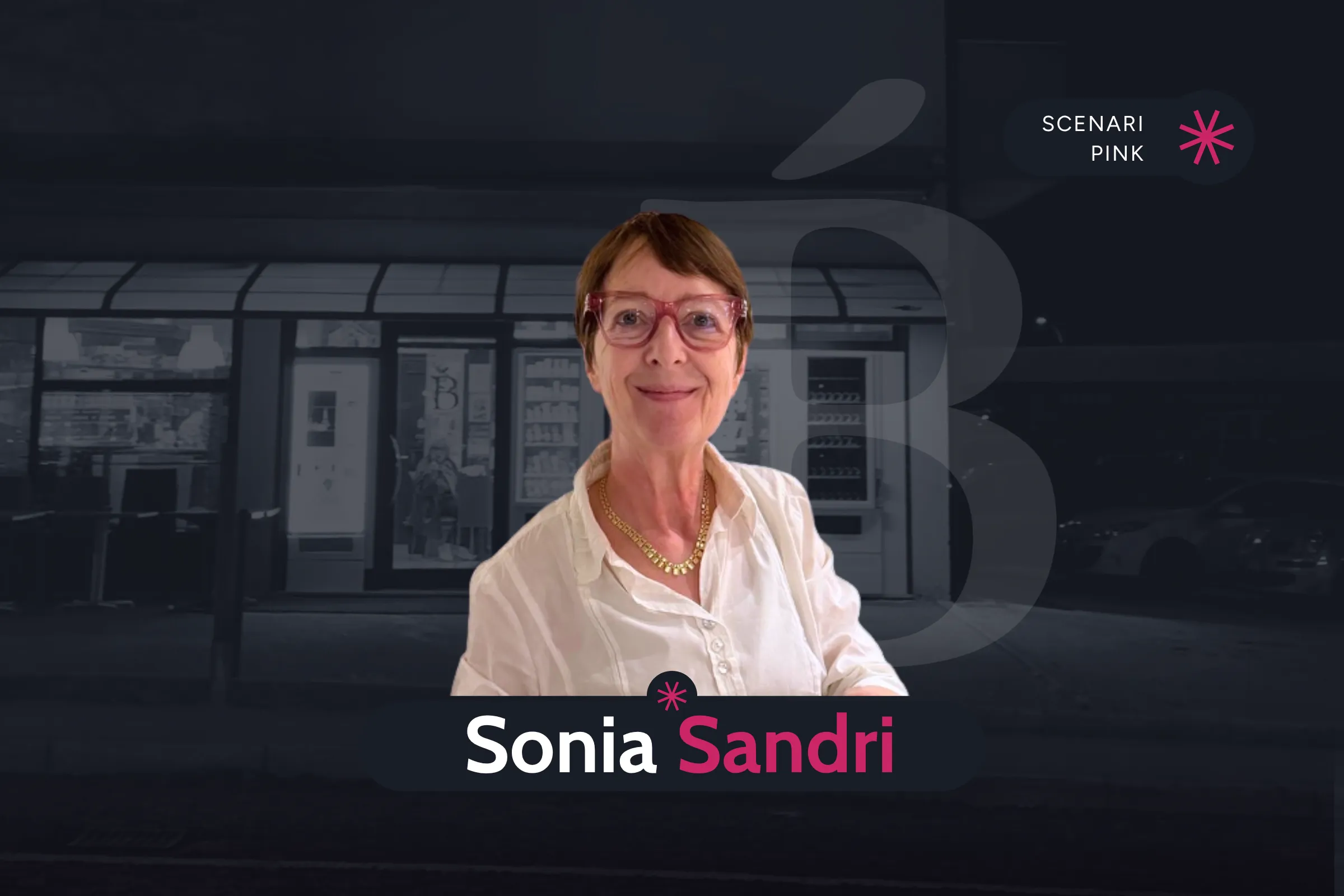
Innovation is often associated with robots, automated factories and large corporations. Sonia Sandri’s project shows what can change in a small business: she reorganized her café around digital systems to offer customers a continuous service.
A business that never closes
Customers expect flexible, quick service beyond traditional opening hours. Sonia combined the café with automated vending kiosks and fully digitized inventory management.
Installing the machines required changes to the wider organization of the business.
Connecting stock and service
The ERP, warehouse and kiosks exchange data so that stock movements can be tracked in real time. Stock levels remain synchronized, purchasing is automated using consumption rates and restocking routes are planned more efficiently.
This reduces waste, improves the use of working capital and makes service more dependable.
Shared purchasing and storage
Sonia set up a shared warehousing and purchasing hub with her son’s business. Combining purchases improves stock management, strengthens bargaining power with suppliers and reduces shared logistics costs.
When margins are tight, those organizational choices affect the business’s ability to compete.
Digital systems and sustainability
Consumption data helps the business make purchasing decisions, prevent food waste, reduce unnecessary delivery miles and use energy resources responsibly.
The digital and green transitions involve many of the same daily decisions.
Change in a small business
Sonia looked for opportunities within the difficulties of running the business. Her experience shows how a small enterprise can adapt, grow and contribute to its region through organizational change.
Telling the business owner’s story
At MA.VI S.r.l., we help executives, female founders and business owners describe their experience through strategic interviews, storytelling, personal branding and Brand Identity. The person behind the business can be part of the brand’s value.